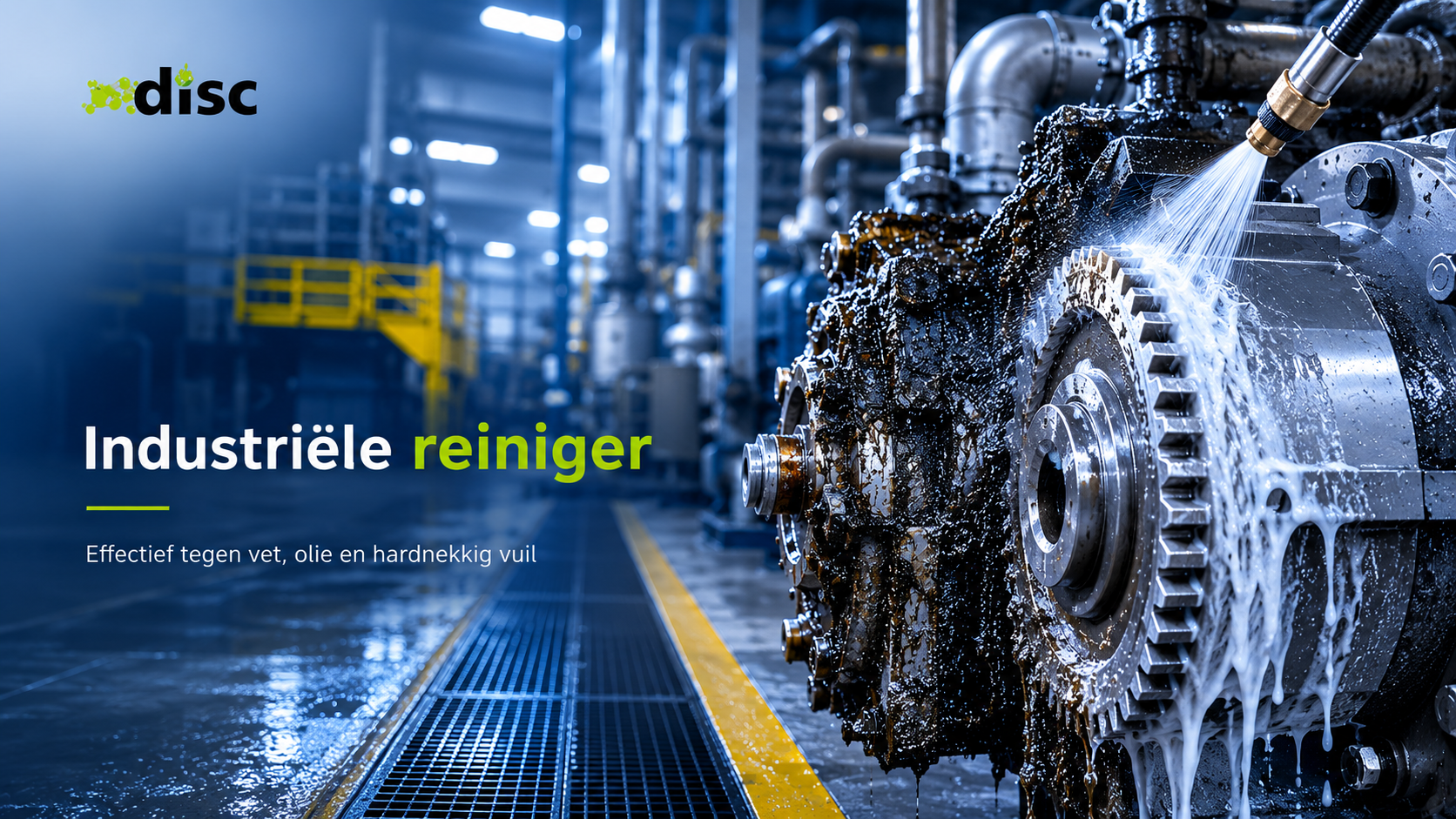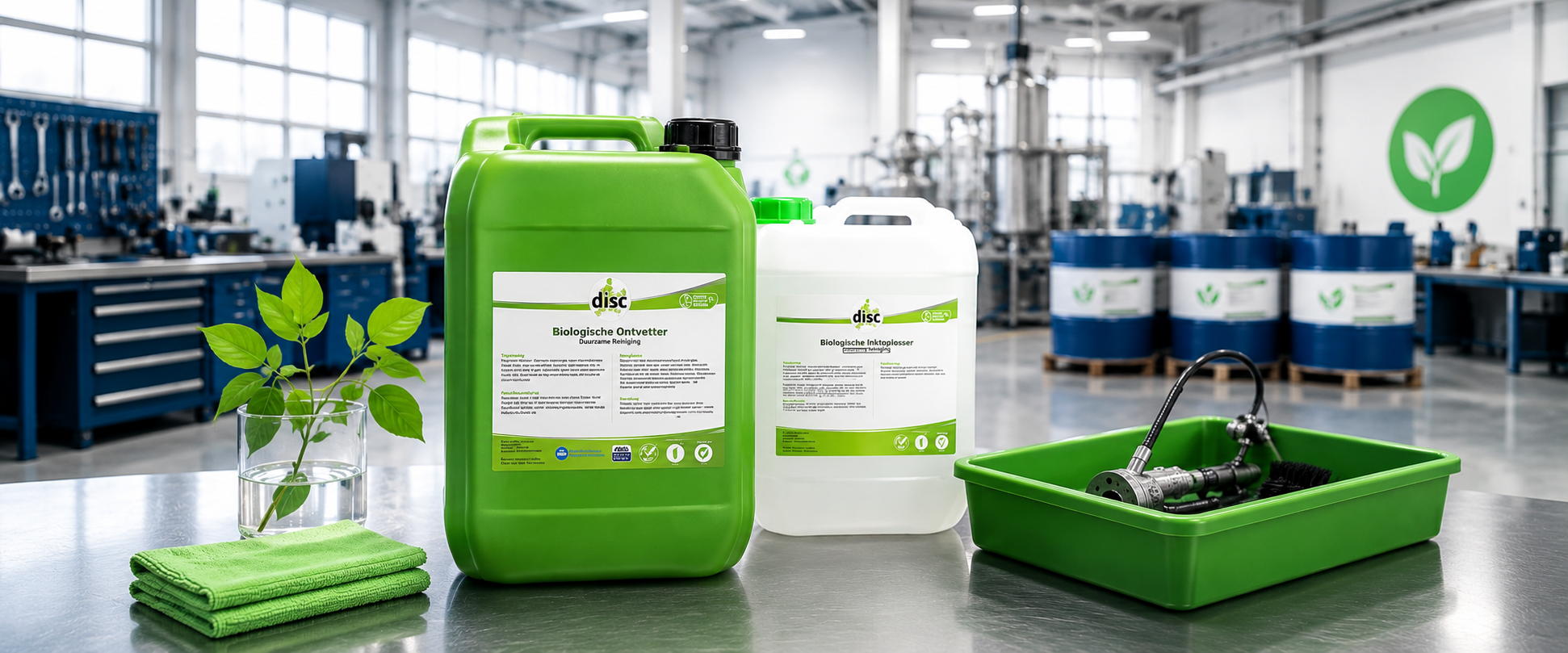
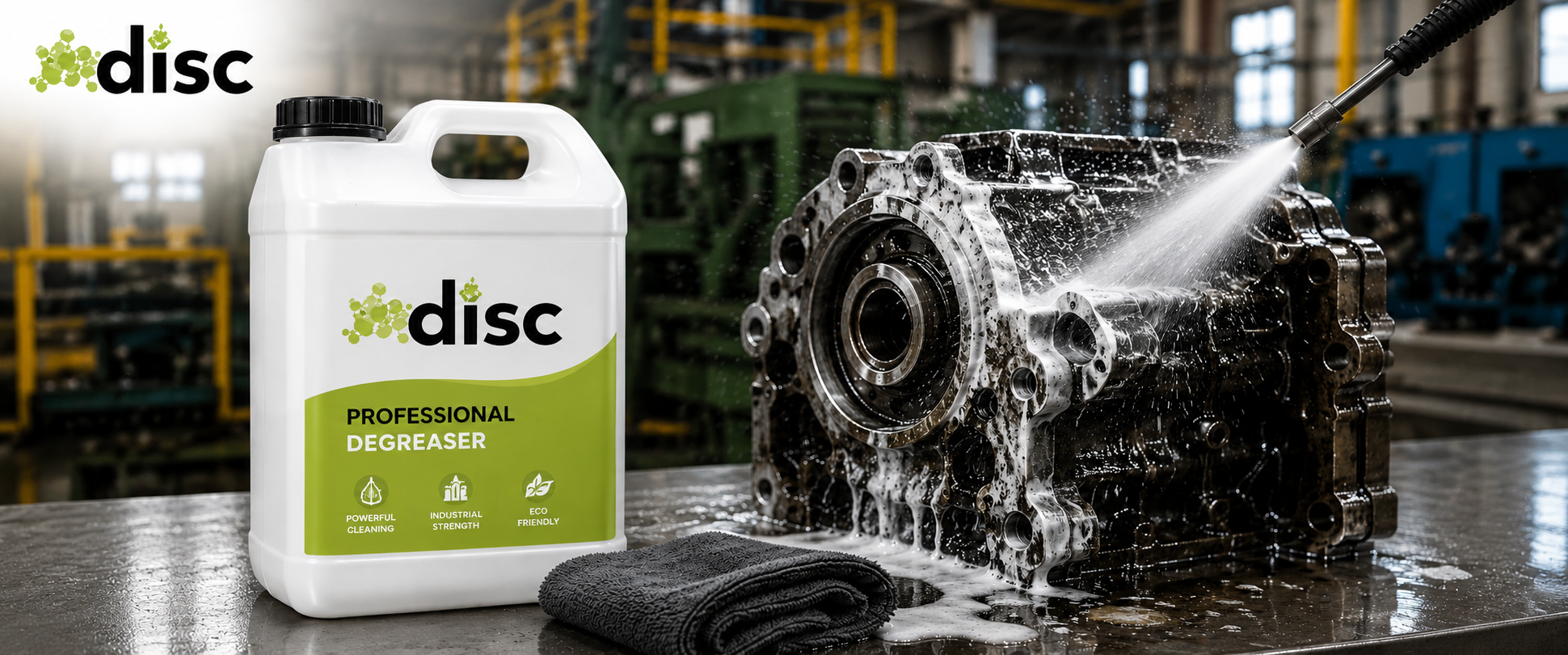
Industrial cleaning standards are tightening year by year, particularly in the manufacturing, automotive, and heavy equipment industries. Based on the Research and Market data, the global industrial degreaser market is projected to reach USD 23.36 billion in 2026, growing at a CAGR of 4.4%, driven by rising demand for efficient and eco-conscious cleaning solutions. Choosing the right professional degreaser can improve equipment lifespan, workplace safety, and operational efficiency while reducing maintenance costs. Companies looking for reliable industrial cleaning products often turn to DISC Chemicals for advanced and industry-focused solutions.
Understand Your Cleaning Requirements
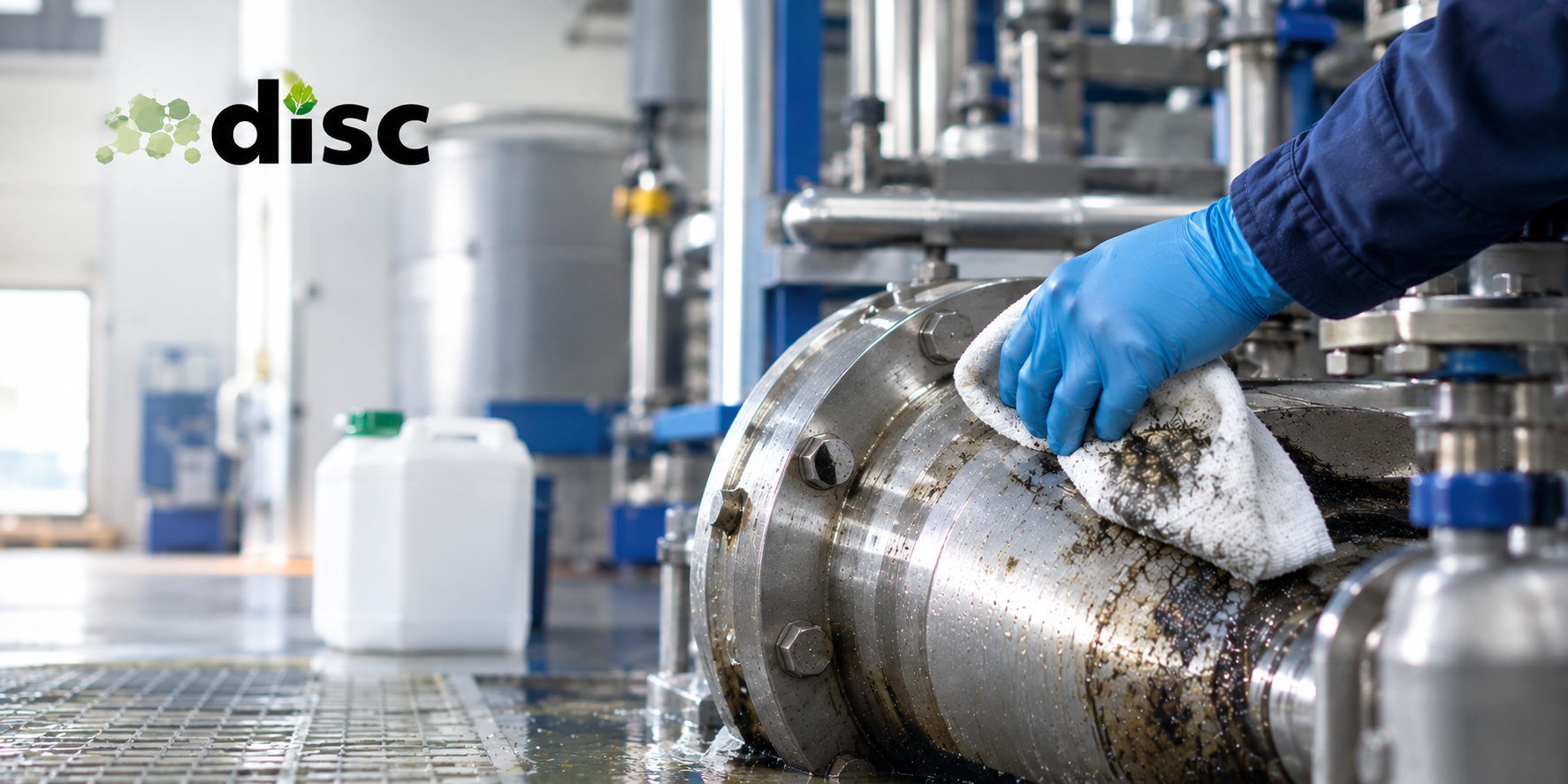
Before selecting a cleaning product, identify the type of contamination you need to remove. Oils, lubricants, grease, carbon deposits, and industrial dust all require different cleaning strengths. Some industries do work with food-grade environments or delicate machinery, so they are limited in the types of chemicals that they can use safely.
As an illustration, the maintenance of heavy machinery will most likely require a very powerful degreaser capable of quickly breaking down the grease. However, electronics or precision manufacturing will probably need a milder solution that does not leave any residue behind.
It is also important to evaluate how often cleaning takes place. Daily maintenance cleaning may require a lighter formula, while deep industrial cleaning may call for stronger concentrated products.
Consider the Surface Material
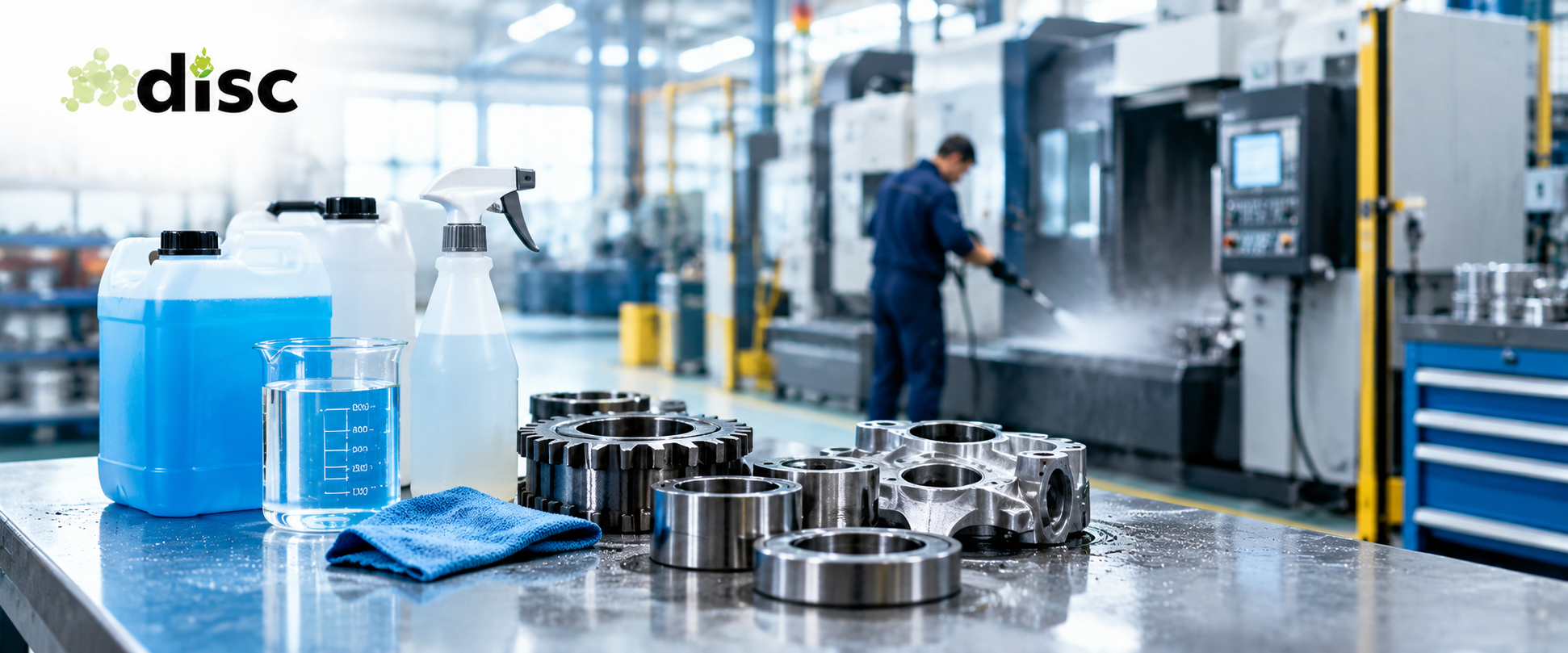
Cleaning products don’t all do their work safely on all types of surfaces. For instance, metals like aluminum, stainless steel, or copper react quite differently when exposed to industrial chemicals. Some strong formulations, if used repeatedly over time, could lead to the appearance of rust or the changing of colors of the metal surface without any doubt.
When choosing a professional degreaser, always confirm that it is compatible with the surfaces and machinery in your facility. Reading product specifications carefully can prevent expensive damage and extend equipment life.
In fact, the majority of factories are using industrial chemicals that are capable of cleaning multiple surfaces simultaneously because it not only simplifies warehouses but also reduces the time spent by supervisors in training their teams of janitors.
Evaluate Water-Based vs. Solvent-Based Options
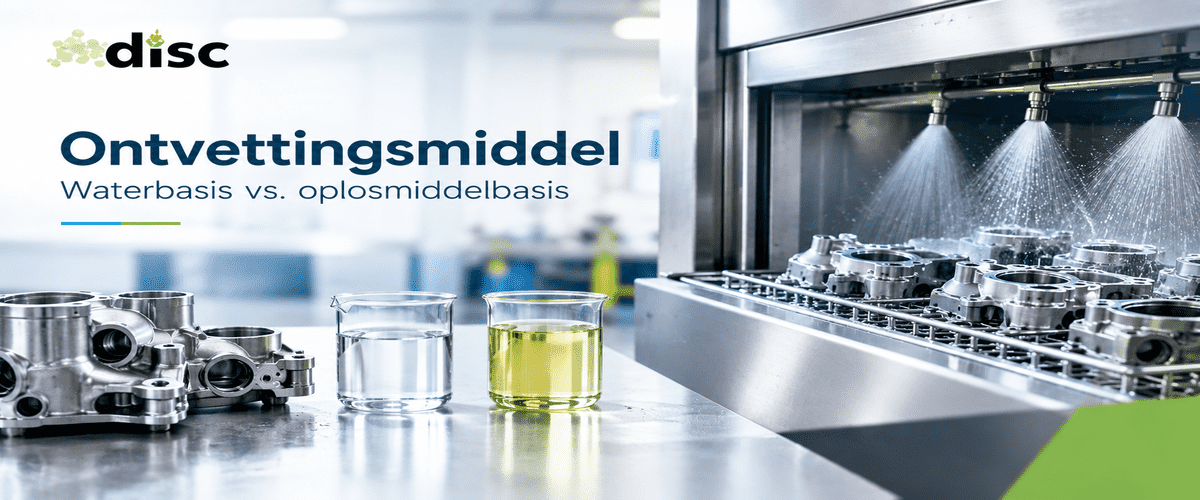
Water-based cleaners are becoming increasingly popular due to environmental regulations and workplace safety requirements. In general, they are safer for the staff and can be disposed of easily and in an environmentally friendly manner. These products are suitable for removing light to medium levels of grease.
However, solvent-based products are still widely used where heavy grease and very old industrial residues are common. A quality powerful degreaser in this group can very quickly penetrate the thickest layers of contamination, thus significantly improving efficiency of cleaning in highly demanding environments.
Your decision should depend on the level of grease, ventilation conditions, environmental policies, and worker safety standards within your operation.
Prioritize Safety and Compliance
Industrial cleaning chemicals should meet local and international safety standards. Low-VOC formulations, biodegradable ingredients, and non-corrosive properties are becoming essential for modern businesses.
Make sure you always review the product’s safety data sheet prior to buying it. This sheet presents info on how to operate safely, how to store, what types of protective gears are advised, etc.
Trusted manufacturers such as DISC Chemicals offer thorough technical as well as product related assistance to their clients so that businesses are able to pick the solutions that best meet their needs for both safety at work and regulatory compliance.
Look for Industry-Specific Solutions
Some cleaning products are formulated specifically for automotive workshops, manufacturing plants, marine applications, or food processing facilities. Industry-specific products often deliver better results because they target the exact contaminants common in those environments.
Take the case of chemical cleaner which is generally recognized as one of the best products for heavy duty industrial cleaning that requires continuous degreasing capability. Using a niche product can both increase the effectiveness of cleaning and decrease the consumption of chemicals and the amount of work time.
Businesses should also consider whether the product can be used manually, through spray systems, or in automated cleaning equipment.
Assess Cost Efficiency Instead of Just Price
The cheapest cleaning product is not always the most economical option. Concentrated products may look more expensive at first, but time to change, as when compared to less-use means less-product per time use.
This will positively impact the operational value by the time the business is inclined to choose for a high-quality professional degreaser that has the advantage of cutting the equipment downtime, reducing the labor cost, and eliminating the re-cleaning in the minimum possible time.
Working with trusted suppliers like DISC Chemicals can also help businesses identify products that balance performance, safety, and long-term cost savings.
Test Before Full Implementation
Before introducing a new cleaner across your facility, test it on a small area or limited batch of equipment. This allows you to check if the product cleans well, if it is compatible with the materials, and if it will be comfortable for the workers to use.
Such testing becomes critical in case of facilities having sensitive machines or using special coatings. A spot on chemical cleaner can yield different results depending on the factor like temperature, level of contamination, and way of cleaning.
Employee feedback during the testing phase can also help identify improvements in workflow and safety.
Key Takeaways
- Different kinds of industries need a different degreasing formulation.
- Water-based cleaners vs. solvent-based cleaners each have their own distinct advantages.
- Safety aspects, compatibility of the surface, and environmental concern should lead you to make a choice.
- Advanced solutions can lessen the period of stoppage and additionally bring down the expenses of servicing.
- Testing a cleaner before a large-scale run is always a wise decision, helping one to stay away from equipment deterioration.
Conclusion
Selecting the right professional degreaser requires more than choosing the strongest chemical available. Businesses should evaluate contamination type, surface compatibility, safety standards, environmental impact, and long-term operational value before making a decision. Partnering with skilled suppliers such as DISC Chemicals can help companies find reliable industrial cleaning solutions tailored to their exact needs.
FAQ’s
Q1. What is the most important factor when choosing a degreasing product?
Ans: The most important factor is to get a degreaser that is effective against the type of grease and compatible with the material of the object to be cleaned. Besides the cleaning performance being negatively affected, the misuse of a degreaser product may lead to the damage of the tools or parts.
Q2. Which is better, water based or solvent based degreasers?
Ans: Water-based cleaners tend to be less harmful to the environment and safer to use than solvent-based cleaners, while the solvent-based cleaners are generally stronger, and can remove the most stubborn of industrial grease.
Q3. What is the frequency of the industrial machine degreasing?
Ans: The length of time between cleanings primarily depends on how the machines are used, their operating environments, and on following industry guidelines. Equipment that is used a lot may require cleaning several times a week or even daily.
Q4. Are there hazards to using an industrial degreaser on metal surfaces?
Ans: Yes, many of the chemicals in degreasers will cause corrosion or discoloration of metals, particularly sensitive metals. So, to be on the safe side, it is better to check compatibility of the product with the metal before using it on a large scale.
Q5. What is the rationale behind businesses to collaborate with specialized chemical suppliers?
Ans: Cooperative businesses benefit from their expertise in product advice and knowledge, as well as their assistance to ensure that products used comply with legislation. Such collaborations not only enhance the cleaning results but also contribute to a safer working environment.