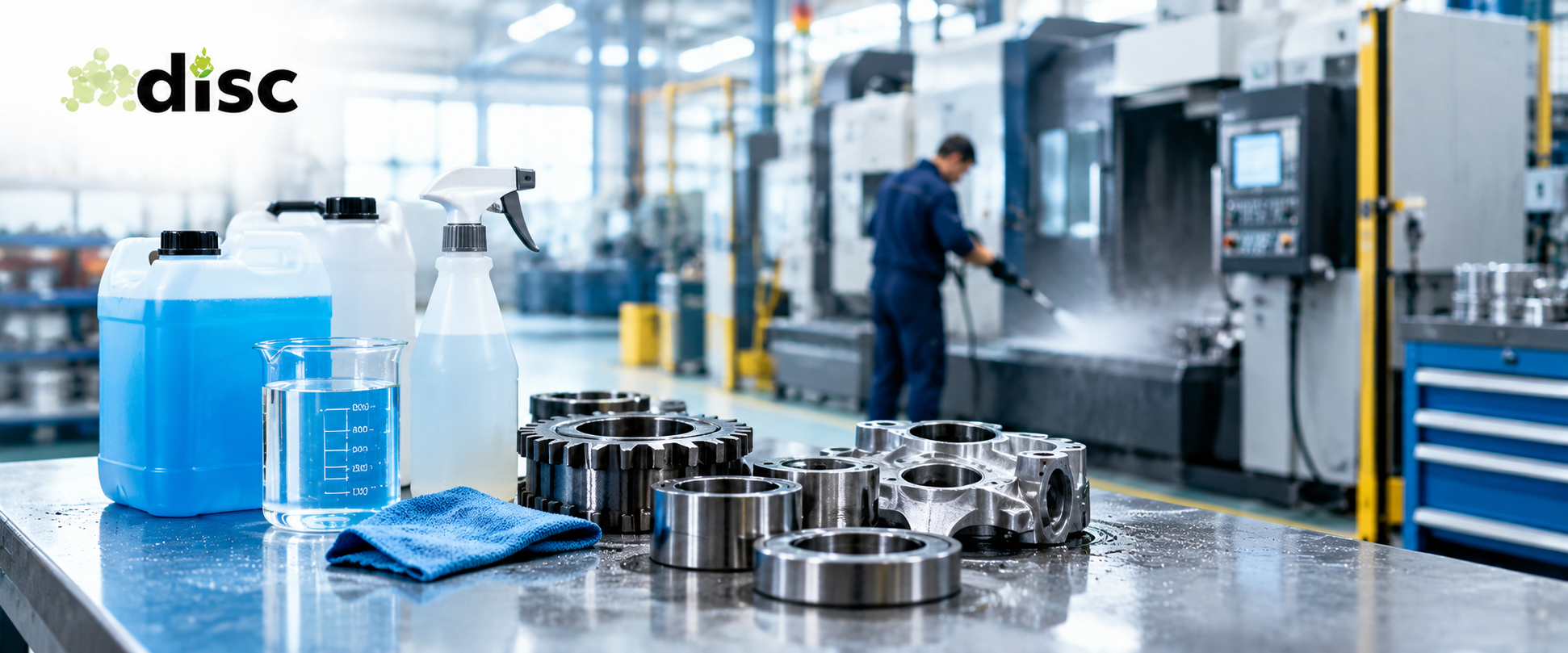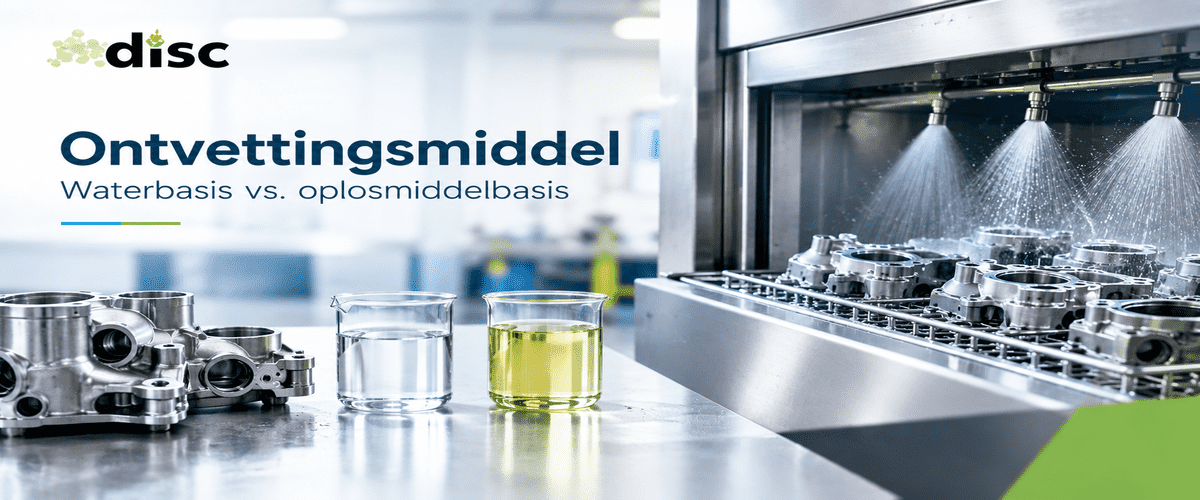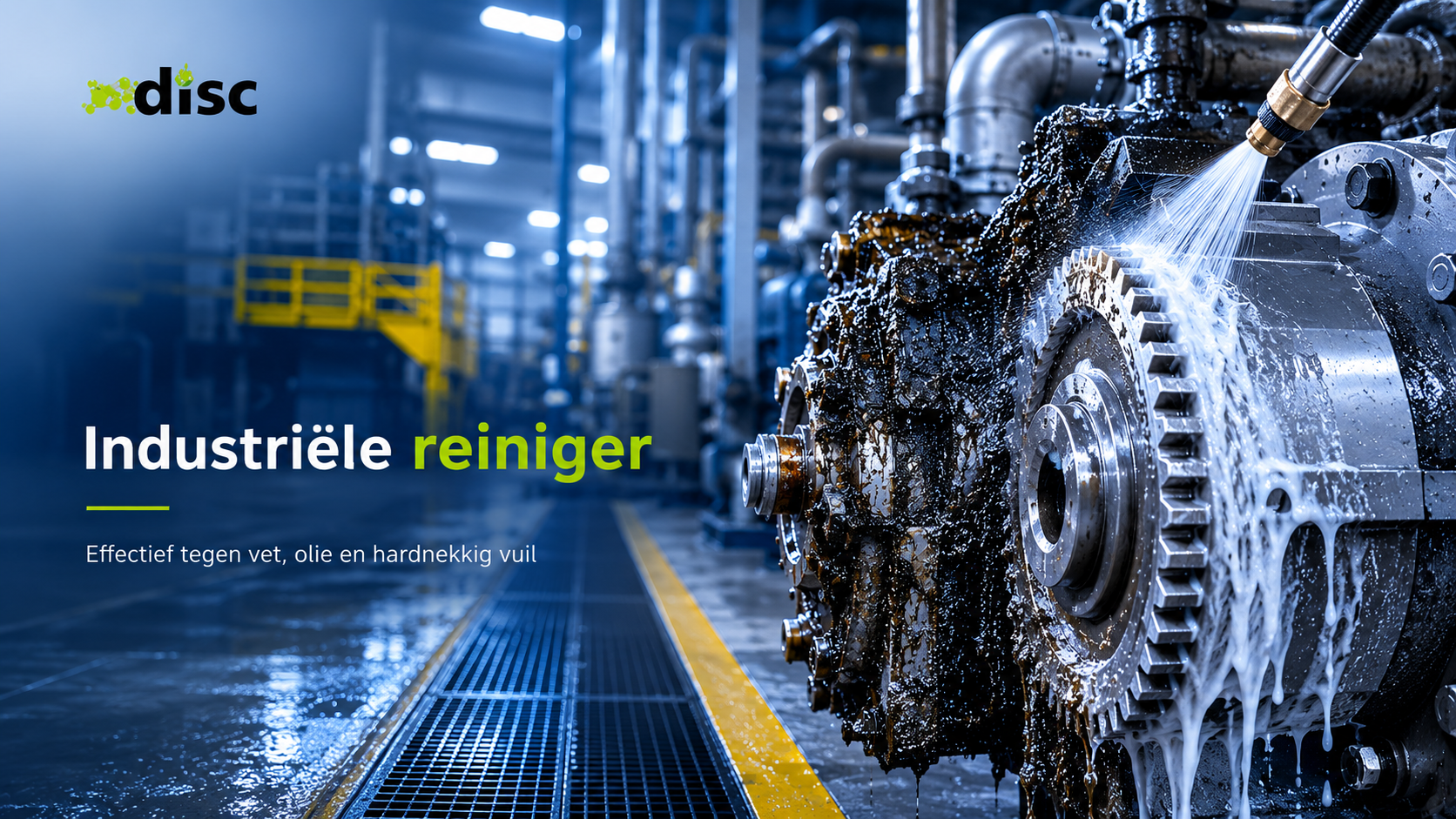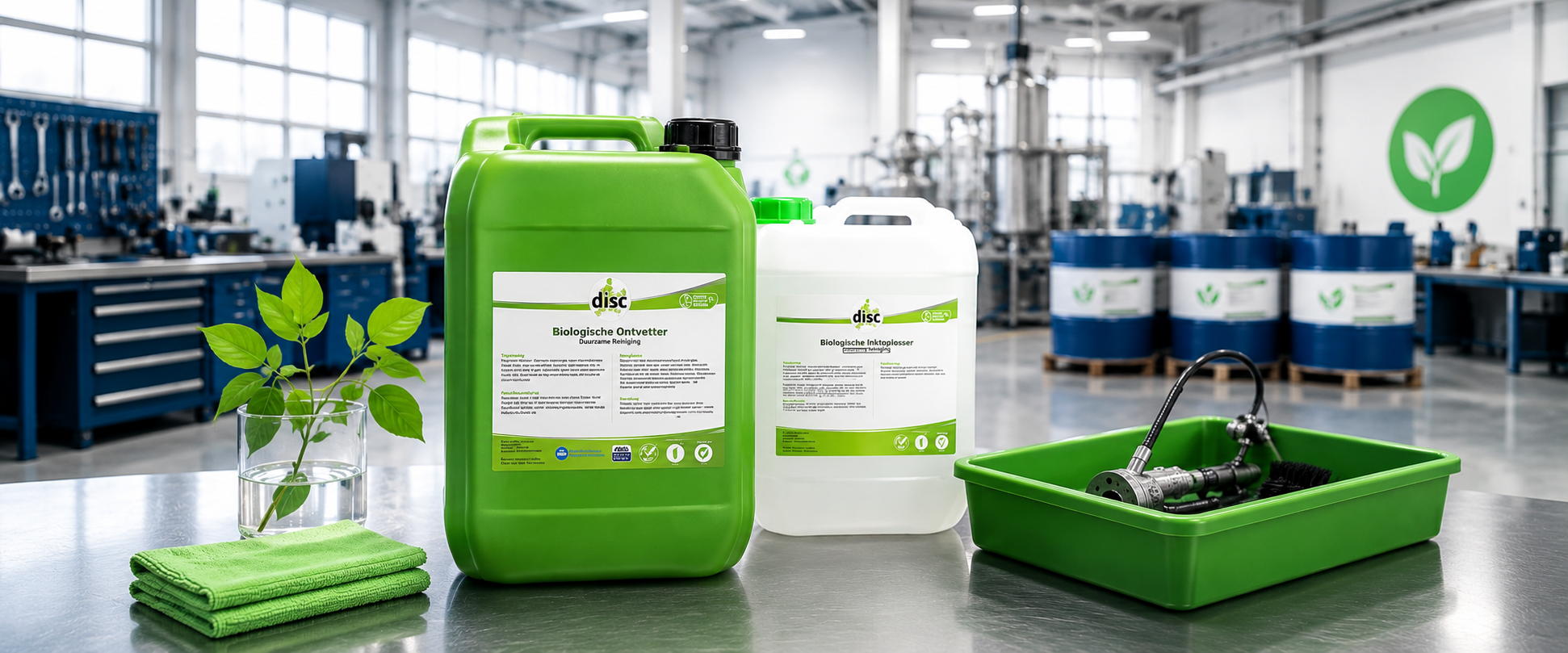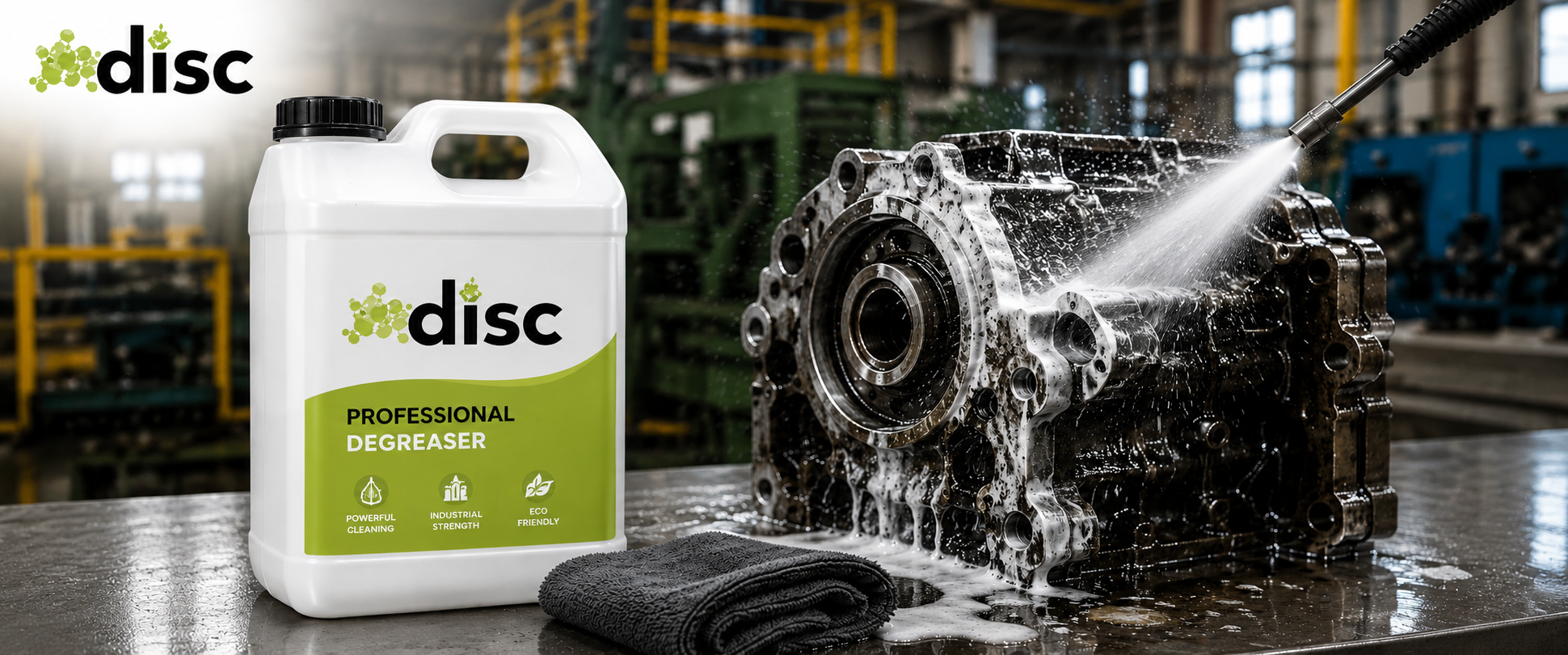
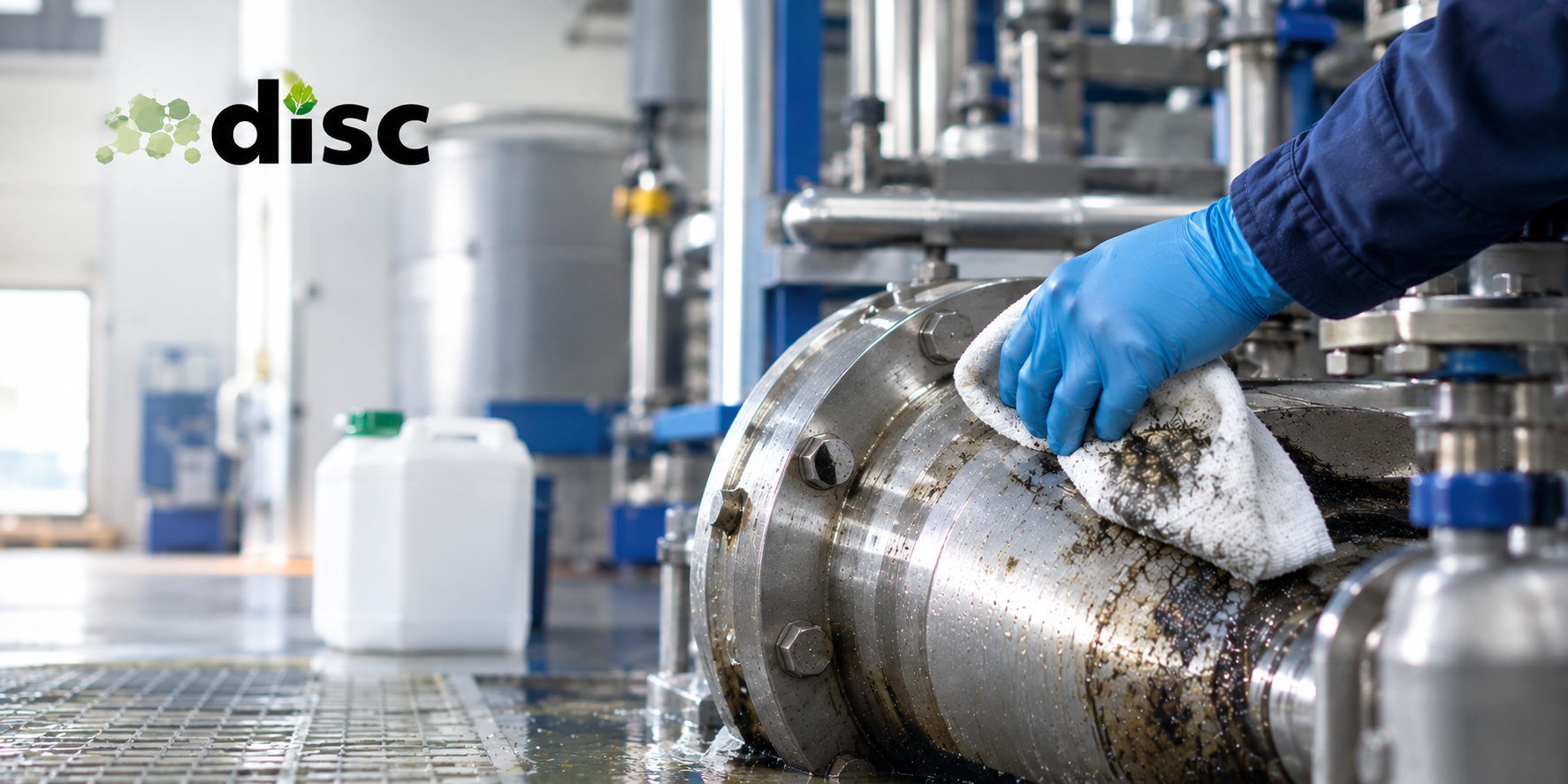
Industrial facilities generate grease, oil, and grime faster than most cleaning budgets can handle. Choosing the right product is no longer just an environmental checkbox — it affects worker safety, equipment life, and regulatory compliance. As plants move away from harsh solvents, managers keep asking the same question: which formulas cut through heavy-duty grime without leaving toxic runoff behind? A biodegradable degreaser solves that problem by combining strong cleaning power with a formula that breaks down safely once it leaves the plant. Scroll down and explore what features of biodegradable products make them good, and why concentrating is important, and also point out how to select a cleaner that will satisfy your needs for a longer period without causing harm to the environment.
Why a Biodegradable Degreaser Matters for Heavy-Duty Cleaning
Traditional degreasers often rely on petroleum-based solvents that strip grease effectively but leave environmental and health concerns behind. Wastewater plants struggle to process these chemicals, and workers exposed to fumes daily face real respiratory risks. Biodegradable surfactants and enzymes from plants decompose grease down to molecules in the same way nature itself breaks them up. So there won’t be any leftovers polluting soil and water for a long time.
This matters on two fronts. On the one hand, in many parts of the world regulations on industrial effluent discharges set stricter limits, so companies using conventional degreasing products can be subject to heavy fines or even compelled to upgrade the wastewater treatment system, at their own cost. On the other hand, workers can breathe a sigh of relief after switching to the less toxic degreaser formulations which have proven to be safe, by not irritating the skin and minimizing health hazards from constant exposure to such chemicals.
The Market Is Shifting Fast — and the Numbers Prove It
Sustainability in industrial cleaning isn’t a fringe trend anymore; it’s reshaping how supply chains buy chemicals. According to Statista, the global market value of the industrial cleaning chemicals segment was approximately $52.96 billion in 2023, projected to climb to $84.62 billion by 2032, driven by demand for greener formulations replacing legacy solvent-based products. A well-formulated biodegradable degreaser now sits at the center of that shift, as procurement teams seek suppliers who deliver performance and compliance in one product.
This also reflects tightening rules across manufacturing hubs in North America and Europe, where facilities face pressure to document the toxicity and breakdown profile of every chemical entering their plant.
| Factor | Industrial Application |
| 1. Chemistry (Concentration) | The correct product ratio tailored to specific industrial contamination. |
| 2. Time (Dwell Time) | Biological ingredients require sufficient contact time to safely break down grease chains. |
| 3. Temperature | Heat accelerates the cleaning process. Many water-based degreasers perform optimally between 40°C and 60°C. |
| 4. Mechanical Force | The use of scrubbing, high pressure, or ultrasonic baths to dislodge and rinse away loosened soils. |
What Makes an Industrial Cleaner Concentrate Worth Buying
Concentration matters just as much as the formula itself. An industrial cleaner concentrate lets facilities dilute a single container into dozens of gallons of ready-to-use degreaser, cutting shipping costs and packaging waste. Maintenance teams will no longer need to store large quantities of ready-to-use bottles and instead keep only a small amount of the concentrated version to mix as required.
When evaluating a concentrate, look for a few key traits:
- Dilution flexibility — the concentration must not only be adjustable but even more so when you have to deal with very heavy cleaning (e.g., on production machines)
- Stable shelf life — should hold potency during extended storage without separating
- Equipment compatibility — shouldn’t corrode metal, rubber seals, or plastic components
- Verified biodegradability — ideally backed by third-party testing rather than marketing claims
Facilities that switch to a properly diluted industrial cleaner concentrate often report real cost savings within the first year, largely from reduced freight and storage needs.
Where DISC Chemicals Fits Into the Picture
This is exactly the gap that DISC Chemicals aims to fill. Headquartered in the Netherlands, the company formulates products that contain surfactants of plant origin which are targeted towards removing heavy buildup of grease and oils which are usually found in manufacturing plants, automotive workshops and food processing units.
What sets it apart is the balance between concentrate efficiency and formula strength. Because products ship as concentrates, facilities reduce transport emissions and packaging waste while still getting a formula potent enough to break down baked-on grease and hydraulic fluid residue. Therefore, for teams that are committed to sustainability but at the same time are reluctant to compromise on their goals, this company represents a workable middle way that could be checked at disc chemicals.
How to Choose the Right Degreaser for Your Facility
Not every formula performs the same way across industrial environments. One ideal for food processing equipment may not be strong enough for heavy machinery in a metalworking shop. Before committing to a supplier, test your facility’s soil types — engine grease, cutting fluid, and baked-on carbon deposits respond differently to enzyme-based versus surfactant-based biodegradable degreaser formulas. Also ask for safety data sheets and biodegradability test results upfront; reputable manufacturers provide this documentation without hesitation.
Key Takeaways
- A genuinely biodegradable formula that effectively breaks down grease also naturally decomposes the product itself reducing environmental & health risk as compared to solvent-based cleaners.
- According to Statista the demand for environmentally friendly formulations has increased so much that the global industrial cleaning chemicals market is expected to almost double by 2032.
- Concentrated format helps cut transport cost, eliminates packaging waste and saves storage space as opposed to pre-diluted products.
- Concentrated, plant-based cleaners can match solvent-level cleaning power for heavy-duty industrial use.
- Always request safety data sheets and test results before switching suppliers.
Conclusion
The change to a biodegradable degreaser goes way beyond compliance — it is a practical step which not only protects workers but also reduces long-term liabilities while at the same time may lead to cost savings thanks to concentrated efficiency. If you start using a biodegradable degreaser now together with a supplier like DISC Chemicals, you will be able to handle the upcoming tightening of regulations much more comfortably than someone who is not prepared and will have to catch up later.
FAQ’s
1. What makes a degreaser biodegradable?
It’s formulated with plant-based surfactants or enzymes that break down naturally in the environment, rather than persisting like petroleum-based solvents.
2. Is a concentrate more cost-effective than ready-to-use cleaners?
Yes, an industrial cleaner concentrate reduces shipping weight, packaging waste, and storage space since one container makes many gallons of usable product.
3. Can biodegradable formulas handle heavy grease and oil buildup?
Modern formulations, including those from DISC Chemicals, are built to match the cleaning power of traditional solvents on tough industrial soils.
4. Are biodegradable degreasers safe for workers?
For the most part, they are safe — containing a lower concentration of VOCs and toxic additives thus lessening the chances of skin and respiratory irritations.
5. How can I verify a supplier’s biodegradability claims?
Ask the suppliers to provide you with safety data sheets and the results of independent third-party tests.