The right parts cleaning equipment selection has a tremendous impact on a shop’s daily production workflow. A debate is raised between cleaning with hands and the use of powered cleaning machines in most instances, if you have a tiny service garage or a big manufacturing hall. A manual brush washbasin allows mechanics to have immediate control on removing grease, oil, and dirt, on the other hand, automatic systems offer faster cleaning and higher production consistency. The only way to avoid spending a lot of money and getting a lot of time wasted is by getting to know the advantages and shortcomings of each type of equipment before purchasing. This guide breaks down both approaches so you can pick the setup that actually fits your operation.
What a Manual Brush Washbasin Actually Does
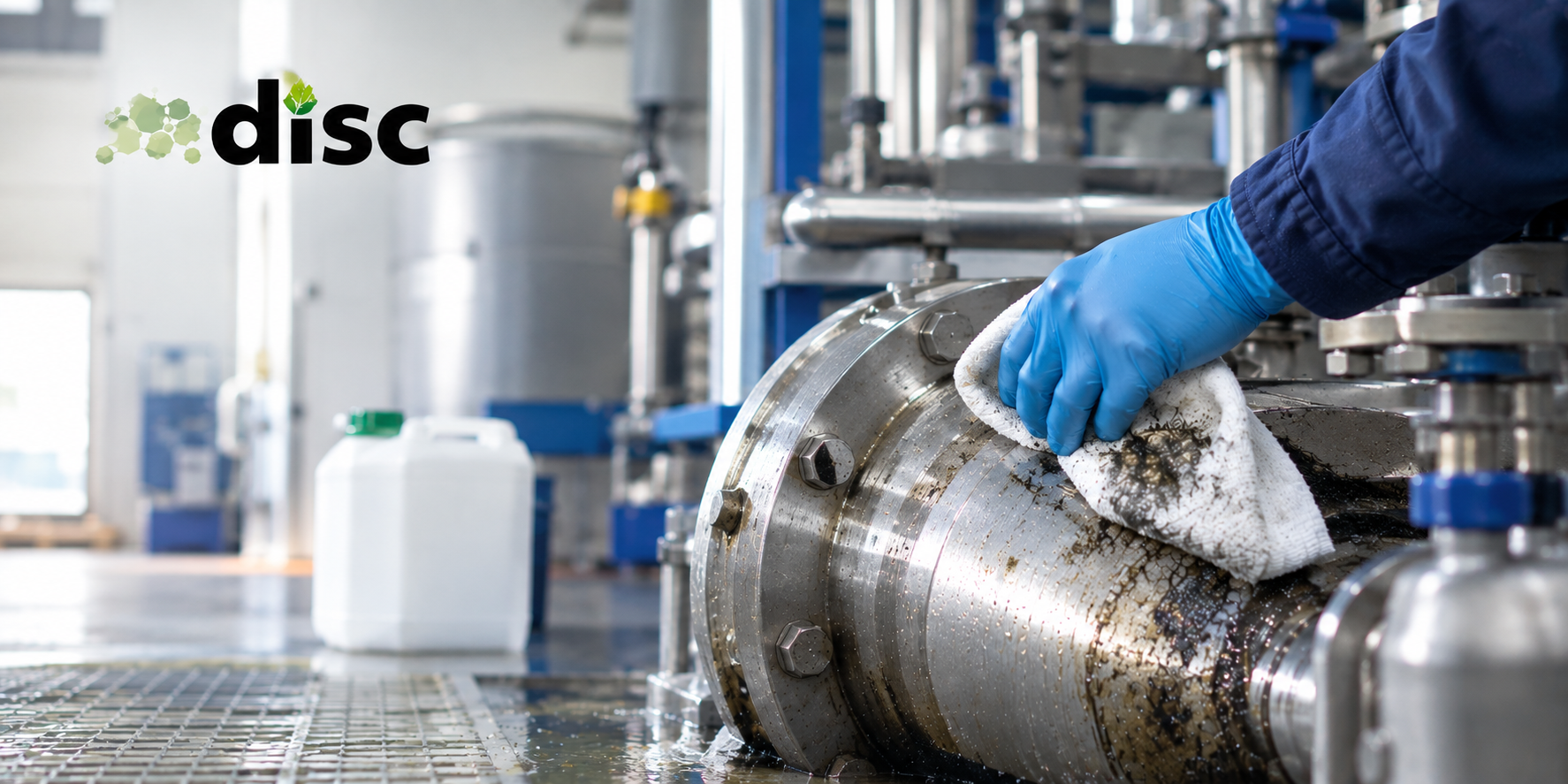
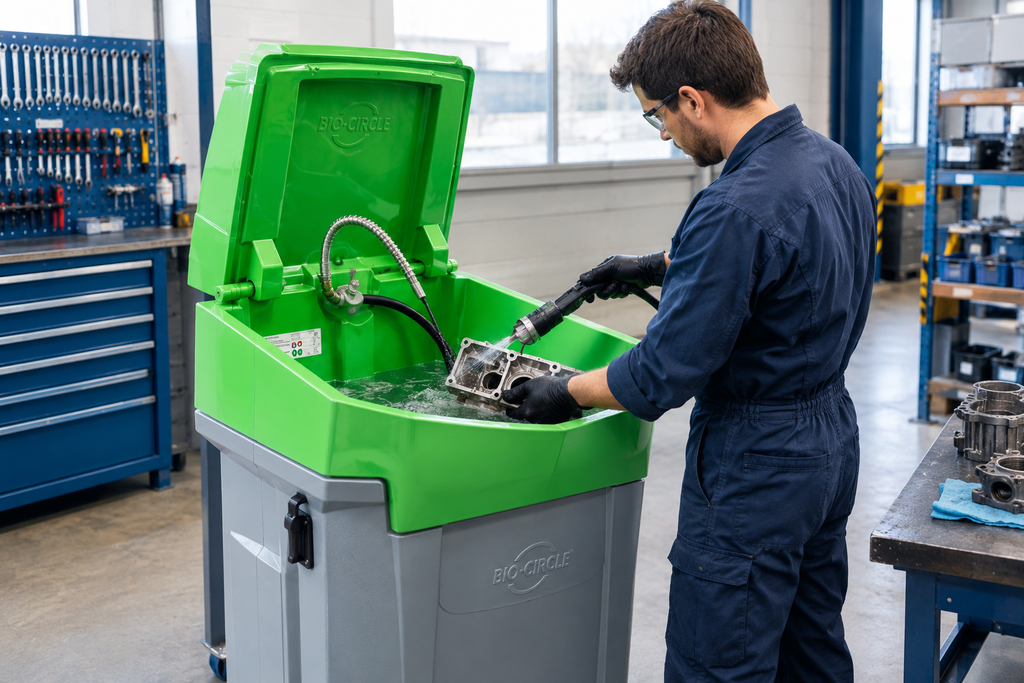
A manual brush washbasin is exactly what it sounds like: a basin filled with solvent or degreaser where workers scrub parts by hand using a brush. The whole idea of this type of setup is very simple, it is cheap, and also, it does not require any electricity or complicated operating system, therefore, small repair centers and family-run workshops are really into them. Operators dip components into the tank, work off caked-on grease, then rinse and dry. Since there are no moving parts to service, this setup usually carries a lower upfront cost and far simpler upkeep than a powered alternative.
What a High-Pressure Parts Washer Brings to the Table
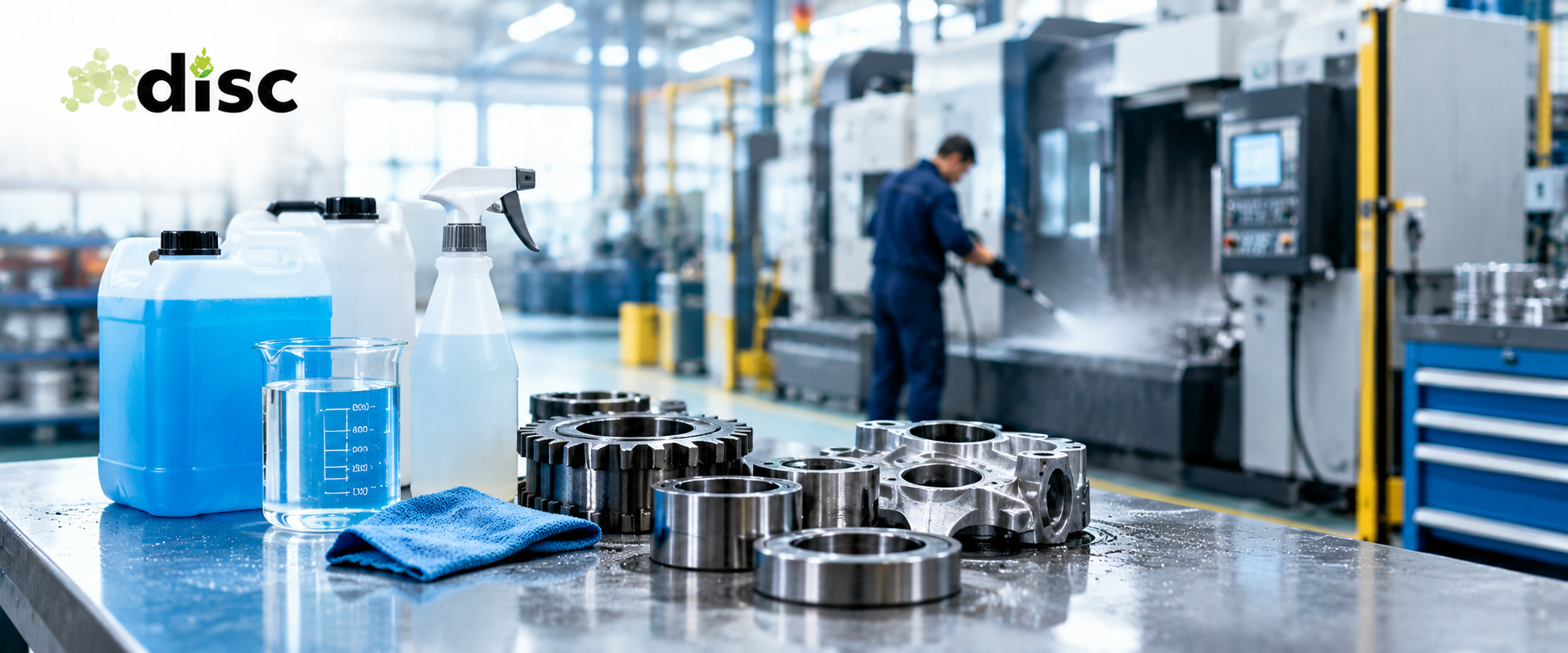
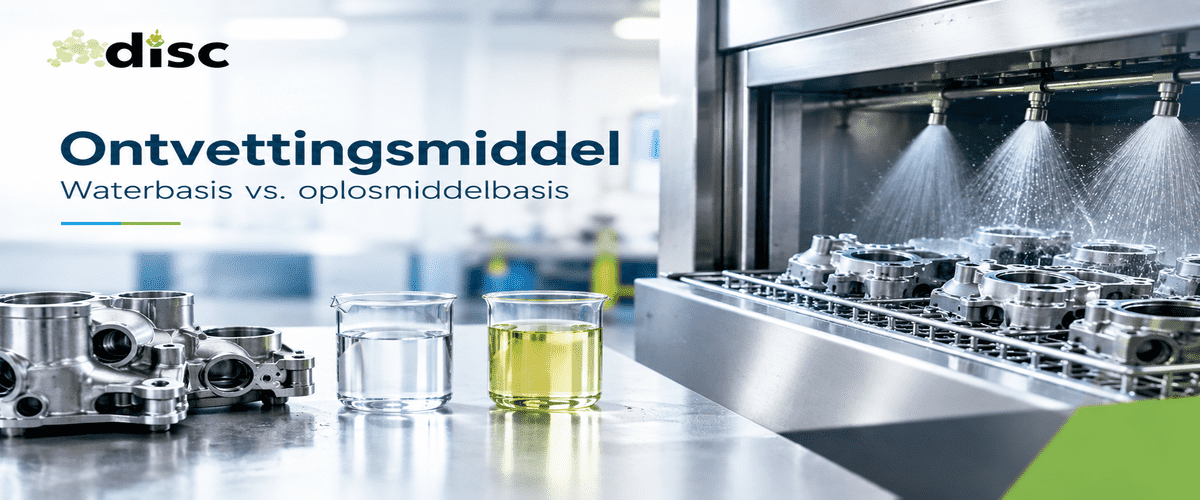
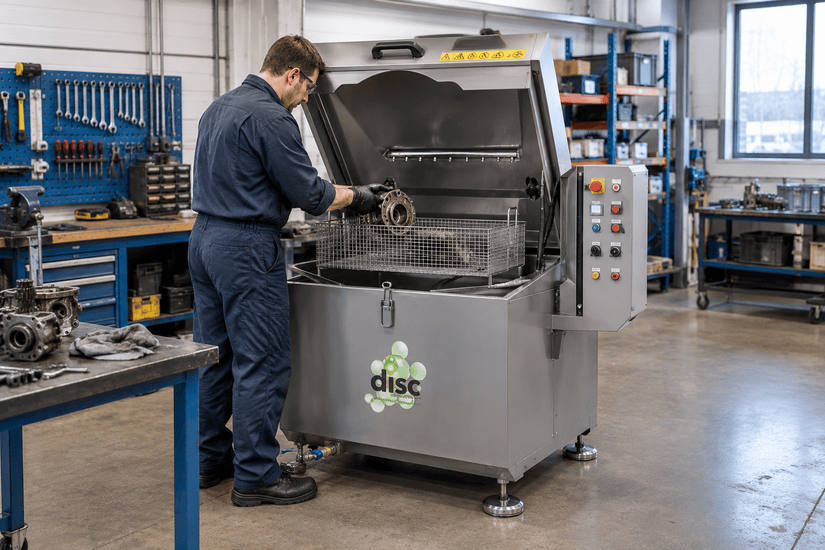
Automatic systems use pumps, heaters, and sometimes ultrasonic technology to clean components without constant scrubbing. A high-pressure parts washer forces heated fluid through nozzles at strong force, blasting away stubborn buildup in a fraction of the time hand washing would take. Many facilities now prefer a high-pressure parts washer with thermostat controls, which lets operators dial in the exact fluid temperature for different metals, coatings, or grease types — a level of precision a basin simply cannot offer.
Speed, Volume, and Daily Output
For shops processing dozens of parts a day, a manual brush washbasin can quickly become a bottleneck, since every component depends on an operator’s hands and time. A high-pressure parts washer changes that math entirely by cutting cleaning cycles down to minutes rather than manual scrub sessions. High-volume automotive shops, fleet maintenance yards, and industrial plants tend to lean toward powered systems purely because throughput drives profitability at that scale.
Cleanliness on the shop floor isn’t only about efficiency — it’s also a safety issue. According to the U.S. Bureau of Labor Statistics report, private industry employers reported 2.5 million nonfatal workplace injuries and illnesses in 2024, while the overall incidence rate has gone down to 2.3 cases per 100 full-time workers the lowest level since 2003. Reliable degreasing equipment, whether manual or automated, has a big influence not only in cutting down slip incidents but also in the reduction of exposure to chemicals during cleaning work. Suppliers such as Disc Chemicals design their cleaning fluids and machines with that safety margin in mind.
Cost, Space, and Maintenance Realities
Budget is usually the deciding factor for smaller operations. A manual brush washbasin costs a fraction of an automated unit and needs almost no technical maintenance beyond fluid changes and basin cleaning. A high-pressure parts washer with thermostat function, by contrast, involves pumps, seals, heating elements, and filtration systems that require periodic servicing. That said, the investment often pays for itself through faster turnaround and lower labor hours — precise temperature control also extends fluid life, meaning less solvent waste and fewer replacement cycles over time. Disc Chemicals offers both entry-level basins and complete automatic units so that shops can start small and gradually expand their systems as their needs increase, thereby avoiding the risk of overspending.
Which One Fits Your Shop?
There’s no universal winner here — it really depends on volume, budget, and the kind of parts you handle. A manual brush washbasin will still be a good solution for small-volume operations, truck or mobile repair shops, or anyone cleaning delicate parts that require careful visual inspection during cleaning. A high-pressure parts washer earns its keep in high-throughput environments where speed and consistency matter more than upfront cost. If temperature-sensitive cleaning is part of your process, a high-pressure parts washer with thermostat setup removes the guesswork entirely. Disc Chemicals’ team regularly walks customers through this exact comparison before recommending equipment, so no one overpays for capacity they don’t need.
Key Takeaways
- Manual brush washbasins are affordable, low-maintenance, and ideal for low-volume or delicate cleaning tasks.
- Using high-pressure parts washers is an excellent way to reduce cleaning time dramatically that’s particularly useful for shops with a high volume and industrial floors.
- Thermostat-controlled units allow accurate temperature management to prolong the fluid life and minimize the waste.
- Workplace injury data from the BLS underscores why proper cleaning equipment matters for shop-floor safety.
- Disc Chemicals supplies both manual and automatic cleaning solutions to match different shop sizes and budgets.
Conclusion
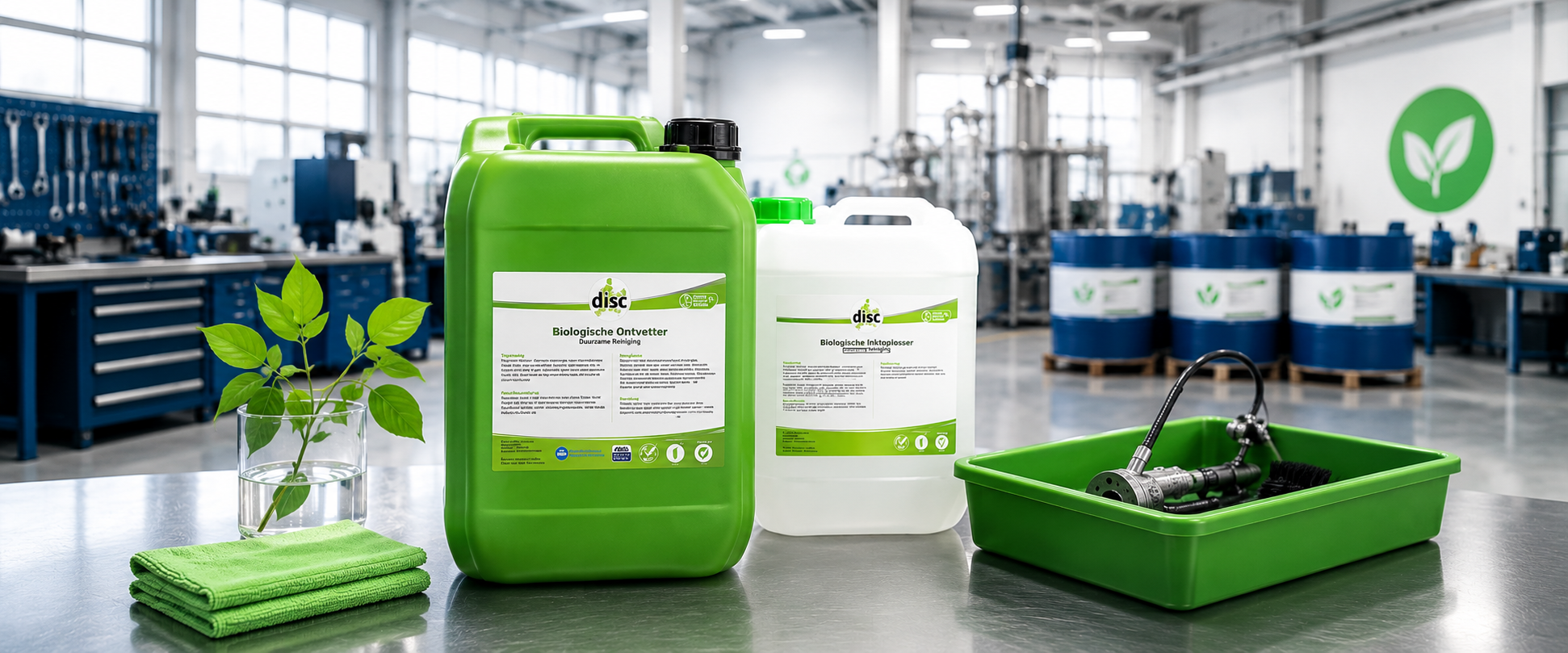
Ultimately, the choice between a manual brush washbasin and a powered system, whether that’s a standard high-pressure parts washer or a high-pressure parts washer with thermostat, should match your shop’s actual workload rather than industry trends. Small operations benefit from the simplicity and low cost of manual cleaning, while high-volume facilities gain real efficiency from automation. Disc Chemicals offers both categories along with biodegradable degreasers suited to each, making it easier to build a cleaning setup that fits your budget and your production line without compromising on results.
FAQ’s
1. Is a manual brush washbasin suitable for professional workshops?
In fact, it is very suitable for small and medium-sized workshops that have a lower number of parts cleaned per day or the components are delicate.
2. How much faster is a high-pressure parts washer compared to manual cleaning?
It takes a cleaning time shorter than half, particularly for the parts that are badly greasy or have lots of carbon deposits.
3. Why choose a high-pressure parts washer with thermostat over a standard model?
You could precisely regulate the temperature of the cleaning liquid to match the properties of different materials which helps get better cleaning results, prolonging the life span of the solvent.
4. Are automatic parts washers more expensive to maintain long-term?
Although automatic washers are a bit costlier in front of purchase and also require regular maintenance, it might help you save money in the long run by way of reduced labor and materials cost.
5. Does Disc Chemicals offer both manual and automatic cleaning equipment?
Disc Chemicals supplies basins, degreasers, and automatic washers of various types to different shops and different volumes.